
A Comprehensive Guide Crane technology has been essential in shaping industries where heavy lifting, precision, and reliability are critical to operations. Among various types of cranes, underslung single girder cranes have emerged as one of the most effective solutions for applications in constrained spaces, low-ceiling environments, and scenarios that require flexible material handling. These cranes combine the compactness of a single girder design with the unique advantage of being underslung, offering unmatched efficiency for various industries. In this guide, we will dive deep into the design, working principles, applications, benefits, and considerations associated with underslung single girder cranes. By the end, you will understand why these cranes are essential in specific environments and how they contribute to improved industrial operations. What is an Underslung Single Girder Crane? An underslung crane refers to a type of overhead crane where the crane’s structure is suspended from the underside of an overhead support rail or beam. This means the entire crane mechanism is installed under a bridge system rather than above it. A single girder crane, on the other hand, utilizes a single horizontal beam (girder) that spans the width of the workspace. This beam carries the hoist and trolley that moves the load. When combined, the underslung single girder crane features: A single girder design for support. Underslung positioning, meaning the crane is suspended beneath the overhead structure, not above it. The crane operates by using a hoist mounted on a trolley that moves along the girder, lifting and lowering loads while traveling horizontally. Design and Structure of Underslung Single Girder Cranes The underslung single girder crane is designed for a variety of applications where space-saving and efficient operation are crucial. Its components include: Bridge (Girder) The bridge or girder is the horizontal beam that spans the width of the work area. The girder serves as the support structure for the trolley and hoist, and it’s typically made from high-strength steel to withstand the stresses of lifting heavy loads. End Trucks End trucks are the components at either end of the crane that provide mobility. They are mounted on wheels or rails and allow the crane to travel along the runway beams. Hoist and Trolley The hoist is the device that raises and lowers the load, typically driven by an electric motor. The trolley moves along the girder, and the hoist is mounted on the trolley to move horizontally. The hoist is powered by electric motors, hydraulic systems, or in some cases, pneumatic systems, depending on the requirements. Runway Beams The runway beams are the rail-like structures installed along the perimeter of the crane’s operating area. The end trucks move along the runway beams, allowing the crane to travel from one end to the other. Control System Modern underslung single girder cranes come with sophisticated control systems, which can range from simple manual controls to advanced digital interfaces with wireless remote control, offering greater precision and safety in operations. Working Principle of an Underslung Single Girder Crane Underslung single girder cranes operate on a straightforward yet effective mechanism. The basic working principle includes three movements: Horizontal Movement (Traveling): The entire crane moves along the runway beams. This horizontal motion is controlled by electric motors that drive the end trucks. Vertical Movement (Hoisting): The hoist, mounted on the trolley, lifts and lowers the load. This vertical motion is achieved by the hoist’s lifting mechanism, typically powered by an electric motor. Trolley Movement (Side to Side): The trolley moves horizontally along the girder, providing lateral movement to transport the load across the span of the crane. The combination of these three movements allows the underslung single girder crane to cover a wide area and efficiently transport heavy materials within the operational space. The crane is powered by electricity, but depending on specific operational requirements, it can also use other energy sources such as hydraulics or pneumatics. Advantages of Underslung Single Girder Cranes Underslung single girder cranes offer several advantages, particularly in environments where space optimization, efficiency, and cost-effectiveness are important. Some of the key benefits include: Space Efficiency One of the most significant advantages of underslung single girder cranes is their ability to optimize vertical space. By being suspended from the underside of the structure, they create more usable space in the facility, leaving the ceiling area free for other purposes. Lower Installation Costs Due to their simpler design (single girder), underslung single girder cranes are typically less expensive to manufacture and install compared to double girder or more complex crane systems. This makes them an attractive option for smaller businesses or facilities with limited budgets. Reduced Headroom Requirements The underslung configuration allows for lower headroom requirements, making it ideal for areas with limited ceiling height. In warehouses or facilities with low-clearance areas, this crane offers a practical solution for overhead lifting without compromising headroom. Flexibility and Mobility These cranes can be used in a variety of settings, from light-duty applications in small workshops to moderate-duty operations in manufacturing environments. The flexibility in capacity and configuration makes them ideal for both small and large-scale operations. Precise Control The movement of the trolley and hoist is controlled through electrical or manual systems, which can provide very fine control over load movement. This is particularly useful when handling delicate or precise loads, such as machinery or assembly components. Durability and Reliability With robust construction and reliable components, underslung single girder cranes have a long lifespan and can operate for many years with proper maintenance. The use of high-strength steel for the girder and the hoist ensures that the crane can handle heavy-duty tasks safely. Energy Efficiency As electric-powered cranes, underslung single girder cranes are energy-efficient, especially when using modern energy-saving motors and systems. Many cranes also come with features like regenerative braking to recover energy during deceleration, further enhancing their energy efficiency. Applications of Underslung Single Girder Cranes Underslung single girder cranes are widely used across various industries due to their space-saving nature and cost-effectiveness. Some key applications include: Warehouse and Storage Facilities In warehouses with limited vertical clearance, underslung cranes offer an effective way to move goods and materials without occupying much of the overhead space. They are also ideal for areas where high ceiling cranes would not be practical. Manufacturing and Assembly Lines These cranes are often used in light to medium-duty manufacturing facilities where they help move materials and components from one assembly station to another. Their ability to handle loads efficiently within confined spaces is a significant benefit in high-production environments. Construction Sites In smaller construction projects or areas where overhead crane installation is not feasible, underslung single girder cranes can help move heavy materials, tools, and machinery around the site. Their flexibility and relatively low installation costs make them a good choice for temporary or less complex lifting tasks. Automotive Industry In automotive manufacturing, these cranes are frequently used to transport parts or subassemblies across different stages of production. Their lightweight construction and easy maneuverability are well-suited to assembly lines. Repair Shops and Maintenance Workshops In maintenance workshops, underslung single girder cranes are used to lift and transport equipment or components for servicing and repair. The precision and compact design are especially beneficial in confined workshop environments. Considerations When Choosing an Underslung Single Girder Crane While underslung single girder cranes offer many advantages, choosing the right crane for your facility requires careful consideration of several factors: Load Capacity It’s crucial to ensure that the crane has the appropriate load capacity for your operations. While single girder cranes are typically used for lighter loads compared to double girder models, they still need to be designed to meet the specific weight requirements of your materials or equipment. Span and Lift Height The span of the crane refers to the distance the crane bridge covers, and the lift height is the maximum height the hoist can lift loads. Both dimensions need to be selected based on the size of the facility and the specific lifting needs. Environmental Factors The operating environment plays a major role in selecting the right crane. Factors such as ambient temperature, humidity, and potential exposure to corrosive materials may necessitate specific materials or coatings for the crane components. Safety Features Modern underslung single girder cranes come equipped with various safety features such as load limiters, emergency stops, anti-collision systems, and overload protection. These features ensure that operations are carried out safely, reducing the risk of accidents. Maintenance Requirements Like all cranes, underslung single girder cranes require regular maintenance to ensure longevity and safe operation. Choosing a model that is easy to maintain and repair will help reduce downtime and maintenance costs. Challenges and Limitations While underslung single girder cranes offer many benefits, there are some limitations and challenges to consider: Limited Load Capacity Single girder cranes are generally limited in terms of load capacity compared to double girder cranes. They may not be suitable for very heavy-duty applications where Continue generating


This is your website preview.
Currently it only shows your basic business info. Start adding relevant business details such as description, images and products or services to gain your customers attention by using Boost 360 android app / iOS App / web portal.
Single Girder Underslung Crane
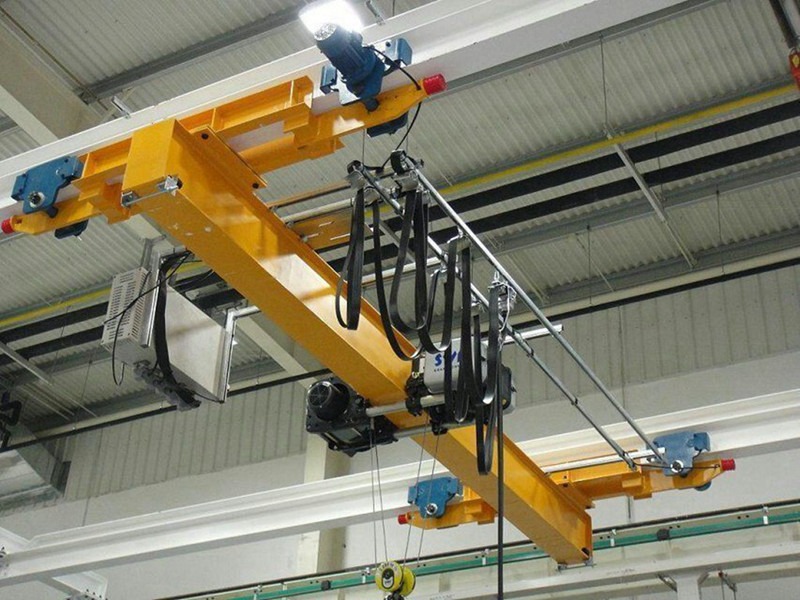
2025-12-09T05:28:08
A Comprehensive Guide Crane technology has been essential in shaping industries where heavy lifting, precision, and reliability are critical to operations. Among various types of cranes, underslung single girder cranes have emerged as one of the most effective solutions for applications in constrained spaces, low-ceiling environments, and scenarios that require flexible material handling. These cranes combine the compactness of a single girder design with the unique advantage of being underslung, offering unmatched efficiency for various industries. In this guide, we will dive deep into the design, working principles, applications, benefits, and considerations associated with underslung single girder cranes. By the end, you will understand why these cranes are essential in specific environments and how they contribute to improved industrial operations. What is an Underslung Single Girder Crane? An underslung crane refers to a type of overhead crane where the crane’s structure is suspended from the underside of an overhead support rail or beam. This means the entire crane mechanism is installed under a bridge system rather than above it. A single girder crane, on the other hand, utilizes a single horizontal beam (girder) that spans the width of the workspace. This beam carries the hoist and trolley that moves the load. When combined, the underslung single girder crane features: A single girder design for support. Underslung positioning, meaning the crane is suspended beneath the overhead structure, not above it. The crane operates by using a hoist mounted on a trolley that moves along the girder, lifting and lowering loads while traveling horizontally. Design and Structure of Underslung Single Girder Cranes The underslung single girder crane is designed for a variety of applications where space-saving and efficient operation are crucial. Its components include: Bridge (Girder) The bridge or girder is the horizontal beam that spans the width of the work area. The girder serves as the support structure for the trolley and hoist, and it’s typically made from high-strength steel to withstand the stresses of lifting heavy loads. End Trucks End trucks are the components at either end of the crane that provide mobility. They are mounted on wheels or rails and allow the crane to travel along the runway beams. Hoist and Trolley The hoist is the device that raises and lowers the load, typically driven by an electric motor. The trolley moves along the girder, and the hoist is mounted on the trolley to move horizontally. The hoist is powered by electric motors, hydraulic systems, or in some cases, pneumatic systems, depending on the requirements. Runway Beams The runway beams are the rail-like structures installed along the perimeter of the crane’s operating area. The end trucks move along the runway beams, allowing the crane to travel from one end to the other. Control System Modern underslung single girder cranes come with sophisticated control systems, which can range from simple manual controls to advanced digital interfaces with wireless remote control, offering greater precision and safety in operations. Working Principle of an Underslung Single Girder Crane Underslung single girder cranes operate on a straightforward yet effective mechanism. The basic working principle includes three movements: Horizontal Movement (Traveling): The entire crane moves along the runway beams. This horizontal motion is controlled by electric motors that drive the end trucks. Vertical Movement (Hoisting): The hoist, mounted on the trolley, lifts and lowers the load. This vertical motion is achieved by the hoist’s lifting mechanism, typically powered by an electric motor. Trolley Movement (Side to Side): The trolley moves horizontally along the girder, providing lateral movement to transport the load across the span of the crane. The combination of these three movements allows the underslung single girder crane to cover a wide area and efficiently transport heavy materials within the operational space. The crane is powered by electricity, but depending on specific operational requirements, it can also use other energy sources such as hydraulics or pneumatics. Advantages of Underslung Single Girder Cranes Underslung single girder cranes offer several advantages, particularly in environments where space optimization, efficiency, and cost-effectiveness are important. Some of the key benefits include: Space Efficiency One of the most significant advantages of underslung single girder cranes is their ability to optimize vertical space. By being suspended from the underside of the structure, they create more usable space in the facility, leaving the ceiling area free for other purposes. Lower Installation Costs Due to their simpler design (single girder), underslung single girder cranes are typically less expensive to manufacture and install compared to double girder or more complex crane systems. This makes them an attractive option for smaller businesses or facilities with limited budgets. Reduced Headroom Requirements The underslung configuration allows for lower headroom requirements, making it ideal for areas with limited ceiling height. In warehouses or facilities with low-clearance areas, this crane offers a practical solution for overhead lifting without compromising headroom. Flexibility and Mobility These cranes can be used in a variety of settings, from light-duty applications in small workshops to moderate-duty operations in manufacturing environments. The flexibility in capacity and configuration makes them ideal for both small and large-scale operations. Precise Control The movement of the trolley and hoist is controlled through electrical or manual systems, which can provide very fine control over load movement. This is particularly useful when handling delicate or precise loads, such as machinery or assembly components. Durability and Reliability With robust construction and reliable components, underslung single girder cranes have a long lifespan and can operate for many years with proper maintenance. The use of high-strength steel for the girder and the hoist ensures that the crane can handle heavy-duty tasks safely. Energy Efficiency As electric-powered cranes, underslung single girder cranes are energy-efficient, especially when using modern energy-saving motors and systems. Many cranes also come with features like regenerative braking to recover energy during deceleration, further enhancing their energy efficiency. Applications of Underslung Single Girder Cranes Underslung single girder cranes are widely used across various industries due to their space-saving nature and cost-effectiveness. Some key applications include: Warehouse and Storage Facilities In warehouses with limited vertical clearance, underslung cranes offer an effective way to move goods and materials without occupying much of the overhead space. They are also ideal for areas where high ceiling cranes would not be practical. Manufacturing and Assembly Lines These cranes are often used in light to medium-duty manufacturing facilities where they help move materials and components from one assembly station to another. Their ability to handle loads efficiently within confined spaces is a significant benefit in high-production environments. Construction Sites In smaller construction projects or areas where overhead crane installation is not feasible, underslung single girder cranes can help move heavy materials, tools, and machinery around the site. Their flexibility and relatively low installation costs make them a good choice for temporary or less complex lifting tasks. Automotive Industry In automotive manufacturing, these cranes are frequently used to transport parts or subassemblies across different stages of production. Their lightweight construction and easy maneuverability are well-suited to assembly lines. Repair Shops and Maintenance Workshops In maintenance workshops, underslung single girder cranes are used to lift and transport equipment or components for servicing and repair. The precision and compact design are especially beneficial in confined workshop environments. Considerations When Choosing an Underslung Single Girder Crane While underslung single girder cranes offer many advantages, choosing the right crane for your facility requires careful consideration of several factors: Load Capacity It’s crucial to ensure that the crane has the appropriate load capacity for your operations. While single girder cranes are typically used for lighter loads compared to double girder models, they still need to be designed to meet the specific weight requirements of your materials or equipment. Span and Lift Height The span of the crane refers to the distance the crane bridge covers, and the lift height is the maximum height the hoist can lift loads. Both dimensions need to be selected based on the size of the facility and the specific lifting needs. Environmental Factors The operating environment plays a major role in selecting the right crane. Factors such as ambient temperature, humidity, and potential exposure to corrosive materials may necessitate specific materials or coatings for the crane components. Safety Features Modern underslung single girder cranes come equipped with various safety features such as load limiters, emergency stops, anti-collision systems, and overload protection. These features ensure that operations are carried out safely, reducing the risk of accidents. Maintenance Requirements Like all cranes, underslung single girder cranes require regular maintenance to ensure longevity and safe operation. Choosing a model that is easy to maintain and repair will help reduce downtime and maintenance costs. Challenges and Limitations While underslung single girder cranes offer many benefits, there are some limitations and challenges to consider: Limited Load Capacity Single girder cranes are generally limited in terms of load capacity compared to double girder cranes. They may not be suitable for very heavy-duty applications where Continue generating
2025-12-09T05:28:08


Keywords
- Overhead crane safety features
- Maintenance-friendly single girder cranes
- Cranes for confined space environments
- Energy-efficient electric overhead cranes
- Industrial lightweight material handling
- Cost-effective crane installation
- Low headroom overhead cranes
- Underslung crane design principles
- Space-saving overhead crane solutions
- Single girder underslung crane applications
Submit Your Enquiry